Travel Tips to planning your park visit
Travel Tips to planning your park visit
Blog Article
Uncover the Beauty and History of Balboa Park
Balboa Park, a cultural landmark of San Diego, presents a rich legacy blended with impressive structural designs. Created in 1868, the park includes important edifices that illustrate its historical relevance, notably from the 1915 Panama-California Exposition. Attendees can locate a selection of cultural institutions and botanical spaces, each presenting varied experiences. Yet, there is so much more to unearth about the park's undiscovered highlights and public celebrations that amplify its energetic vibe.
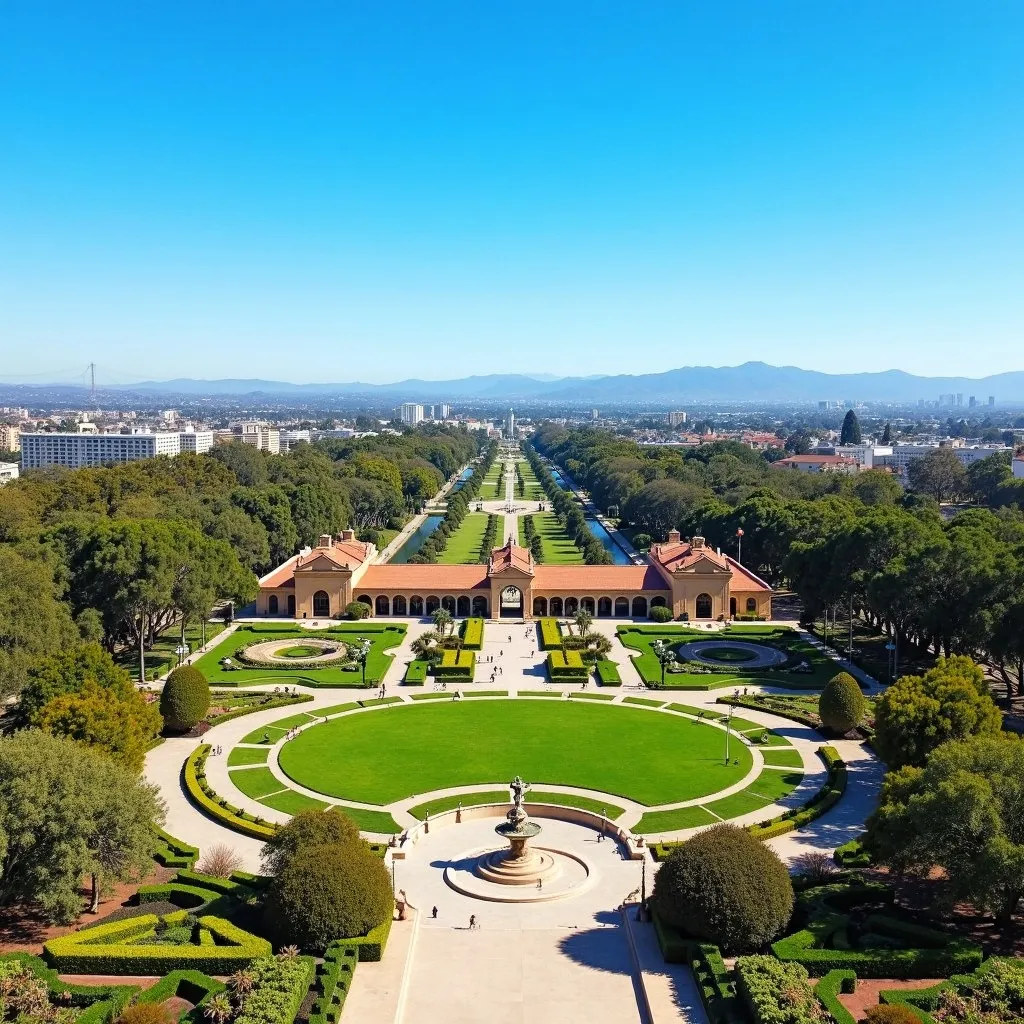
Balboa Park's Historical Importance
Balboa Park, established in 1868, constitutes a significant cultural and recreational venue possessing substantial historic importance in San Diego. Initially designated as a public green space, its expansion accelerated throughout the early 1900s, particularly during the 1915 Panama-California Exposition, which showcased San Diego's growth and ambitions. The exposition spurred the construction of numerous iconic structures, with many representing Spanish Colonial Revival architecture, a signature element of the park.
Over the years, Balboa Park has functioned as a setting for numerous artistic gatherings and celebrations, highlighting its purpose as a public meeting area. The park's rich history is also intertwined with the stories of native populations and early settlers, showcasing the diverse tapestry of San Diego's history. Today, Balboa Park exists not only as a recreational destination but also as a emblem of the city's development through time, representing its cultural heritage and dedication to community areas.
Best Museums to Experience in Balboa Park
During your exploration of the vibrant landscape of Balboa Park, visitors will discover an impressive array of museums that fulfill diverse interests. The San Diego Museum of Art stands out with its extensive collection of European and American art, delivering a glimpse into various artistic movements. Meanwhile, the Natural History Museum fascinates audiences with its rich displays of fossils, gemstones, and live animal exhibits, perfect for families and nature enthusiasts alike.
For those interested in scientific inquiry, the Fleet Science Center showcases participatory displays and an IMAX theater, rendering study engaging and fun. The Museum of Photographic Arts presents stunning visual narratives, while the Timken Museum of Art offers a more intimate experience with its European and American masterpieces. Each museum enriches the cultural tapestry of Balboa Park, affirming that visitors leave with a enhanced understanding for art, science, and history.
Architectural Marvels of Balboa Park
Balboa Park provides a impressive range of architectural treasures, prominently featuring the iconic Spanish Colonial Revival aesthetic. This distinctive character is accompanied by a diverse mix of architectural elements that showcase the park's rich history. As visitors explore, they come across edifices that share narratives of cultural importance and creative expression.
Prominent Spanish Colonial Revival
Nestled in the center of San Diego, the masterpieces of Balboa Park showcase the emblematic Spanish Colonial Revival style, which emerged in the early 20th century. Characterized by its recognizable arches, tile roofs, and intricate stucco facades, this architectural movement is inspired from Spain’s rich heritage. Notable structures, such as the California Tower and the Museum of Us, illustrate the ornate detailing and vibrant colors that represent the style. The park's buildings harmoniously blend with lush gardens and serene plazas, forming a picturesque setting that encourages exploration. Each structure tells a story of cultural significance, showing the city’s commitment to preserving its historical roots while honoring the beauty of Spanish-inspired architecture.
Varied Structural Styles
As guests traverse Balboa Park, they encounter a magnificent selection of architectural styles that reflect the varied heritage influences defining San Diego. The park showcases the detailed details of Spanish Colonial Revival, defined by its textured facades and vibrant tile work. In contrast, the sophisticated neoclassical structures, such as the San Diego Museum of Art, provide a perspective into European architectural directions. Contemporary influences are apparent in the refined contours of the Mingei International Museum, while the playful creations of the Old Globe Theatre echo Shakespearean inspirations. Each building conveys a story, weaving a rich tapestry of heritage and tradition. This design multiplicity not only enhances the park's visual appeal but also reinforces its historical significance.
Visit Balboa Park's Splendid Gardens
The stunning collection of gardens within Balboa Park showcases a rich tapestry of flora, encouraging visitors to engage themselves in nature's beauty. Among the most notable is the Botanical Building, a Victorian-era structure containing an impressive collection of tropical plants and orchids. Nearby, the Rose Garden features over 1,600 vibrant rose bushes, forming a fragrant oasis that captivates the senses.
The Japanese Friendship Garden, with its peaceful koi ponds and carefully groomed gravel, provides a serene escape, reflecting traditional Japanese landscape design. Meanwhile, the Desert Garden showcases arid plants from around the world, demonstrating the adaptability of life in harsh conditions.
Each garden shares a unique story, adding to the park's overall appeal and ecological diversity. Collectively, they provide an enriching experience, enabling guests to appreciate the intricate relationship between nature and artistry within this historic urban landscape.
Enjoyable Pastimes for All Visitors in Balboa Park
Visitors of all ages will find numerous events waiting in Balboa Park, which ensures a enjoyable experience for all. Families might explore the engaging exhibits at the San Diego Natural History Museum or take in the intriguing marine life at the Birch Aquarium. Art fans can explore the San Diego Museum of Art, while children enjoy the colorful playgrounds located throughout the park.
For individuals looking for outdoor adventures, the park provides walking paths and picturesque regions ideal for picnics. The classic carousel and miniature train provide nostalgic fun for junior visitors. Additionally, yearly celebrations, such as open-air musical events and community celebrations, highlight the park's vibrant community spirit.
Visitors can additionally experience guided tours, which provide insights into the park's rich history and architecture. With such a broad selection of activities, Balboa Park authentically serves the preferences and pleasure of all who visit its scenic landscape.
Advice for Discovering Balboa Park
Exploring Balboa Park can often be an enjoyable challenge for initial visitors. To enhance their experience, it is advisable to start at the Visitor Center, where maps and brochures are easily accessible. These resources offer valuable information into the park's layout and features. Visitors should prioritize their key destinations, as the park spans over 1,200 acres and provides many gardens, museums, and trails.
Visiting during weekdays helps miss the crowds, offering a more leisurely way to explore. It is important to wear comfortable footwear due to the park's uneven terrain. Taking advantage of the tram service can be a beneficial option for those wanting to cover more ground quickly. Guests should also watch the park’s calendar for any special displays or installations. Lastly, spending time venturing beyond main paths can uncover surprises, enhancing the overall Balboa Park experience.
Neighborhood Events and Creative Engagement in Balboa Park
Vibrancy characterizes the cultural events and community engagement in Balboa Park, where diverse programs celebrate art, history, and local traditions. The park serves as a dynamic hub, hosting numerous festivals, performances, and workshops that bring residents and visitors alike. Annual events like the Balboa Park December Nights showcase the rich cultural tapestry of San Diego, including live music, dance, and food from various communities.
Furthermore, Balboa Park encourages diversity through its community outreach initiatives, motivating involvement from all populations. Educational programs, often held in collaboration with local educational institutions, advance awareness of the park's cultural heritage and the creative disciplines. Through these efforts, Balboa Park not only maintains its legacy but also fosters a sense of connection among its visitors. This dedication to artistic involvement makes Balboa Park a crucial part of San Diego's identity, enriching the lives of those who live and spend time in the area.
Frequently Inquired Questions
What Times Is the Park Open Over the Year?
Balboa Park typically opens all days at 9 a.m. and ends operations at 5 p.m. in winter, prolonging hours to 6 p.m. in the spring and summer months, with some attractions having diverse schedules across the year.
Does Balboa Park Have an Admission Cost?
Balboa Park does not require an entrance fee for standard entry. However, some specific attractions located in the park may require separate admission fees. Visitors should check individual institution policies for comprehensive fee details.
Can Pets Be Brought Balboa Park?
Pets typically are allowed in Balboa Park, as long as they are restrained on a leash. However, some areas and attractions may have limitations. Visitors ought to examine park guidelines to ensure a pleasant experience for everyone.
How Do I Discover Parking Near Balboa Park?
Parking near Balboa Park is available in various lots and on nearby streets. Visitors should search for marked parking zones and think about using parking apps for up-to-date availability Balboa Park hour to minimize congestion during busy times.
What Season Works Well for Visiting Balboa Park?
The best time to tour Balboa Park is specifically during weekdays, most specifically in the early hours or late afternoon. These occasions present reduced foot traffic, favorable climate, and perfect chances to wander through its scenic areas and sites serenely.
Please visit one of our local supporters - Aerius View California Drone Survey Cost
Report this page